
“Seeking prosperity in turbulent times by strengthening India’s economic resilience, driving fiscal stability, and advancing strategic frameworks toward Viksit Bharat 2047.”
Conclave Patrons
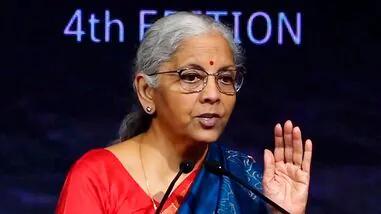
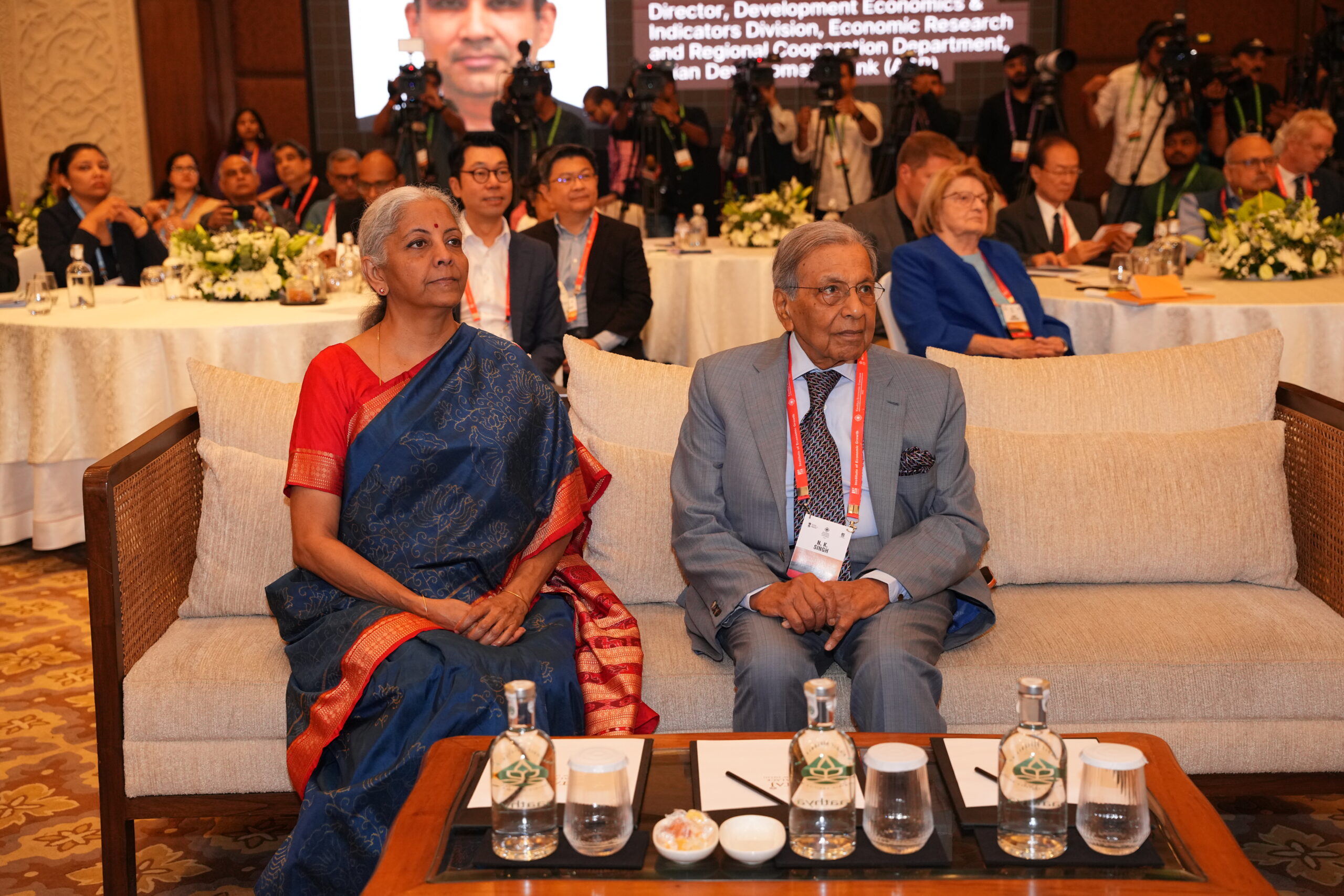
Smt. Nirmala Sitharaman
Serving as the Union Minister of Finance & Corporate Affairs. Key patron of the Kautilya Economic Conclave jointly organized with the Institute of Economic Growth.
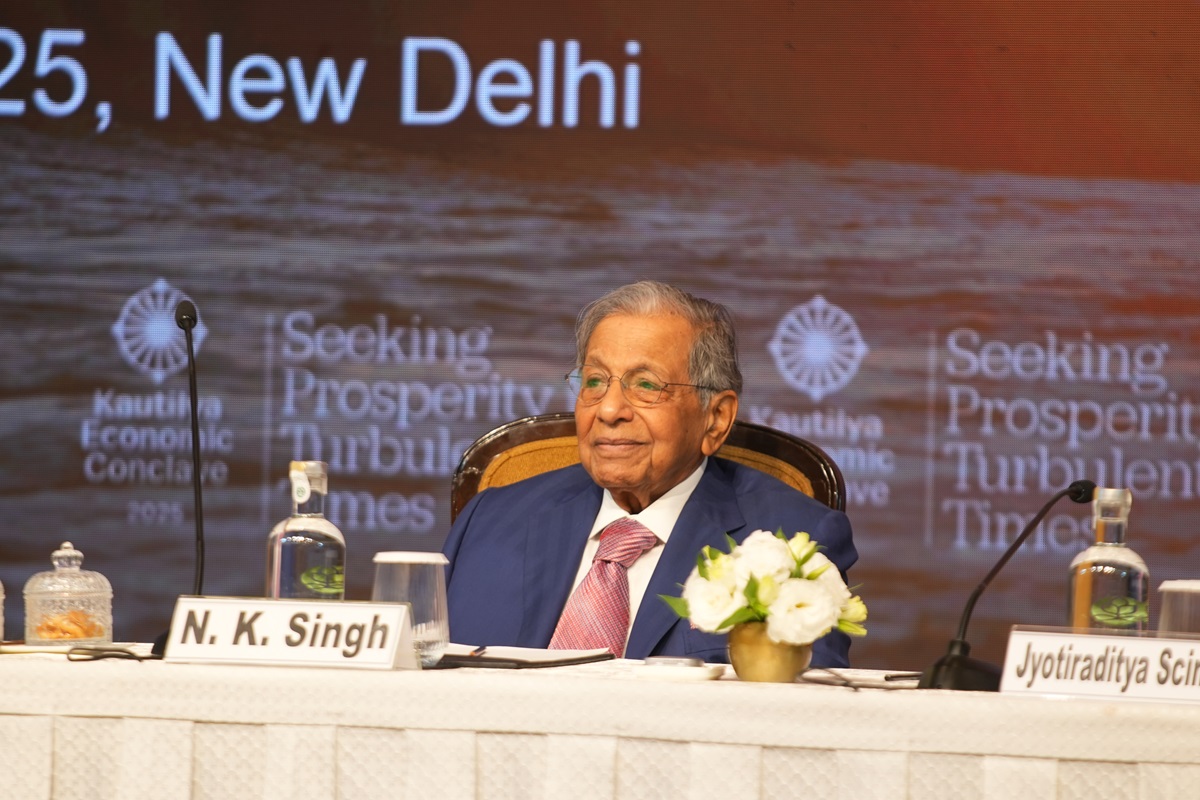
Shri N. K. Singh
Eminent economist and policymaker presiding over the Institute of Economic Growth (IEG), guiding global policy dialogues and economic research.
Chair and Speakers

Abhijeet Singh is Associate Professor of Economics at the Stockholm School of Economics and Global Co-Chair of the Education Sector at J-PAL. His research focuses on education systems and public service delivery, with extensive work evaluating education policies in India through field experiments. His interests include education technology, public-sector management, school access and inclusive education policy.


Albert F. Park is Chief Economist of the Asian Development Bank and Director General of its Economic Research and Development Impact Department. He is a leading development economist specialising in China and emerging Asia. His research spans poverty and inequality, migration, labour markets, microfinance, foreign investment and the future of work.

Dr. Alan Bollard is Chair of New Zealand’s Tertiary Education Commission and Governor of the Economic Research Institute for ASEAN and East Asia. He previously served as Governor of the Reserve Bank of New Zealand, Secretary to the Treasury and Executive Director of APEC. His expertise spans monetary policy, economic governance, Asia-Pacific economic relations and public policy.
Delegates
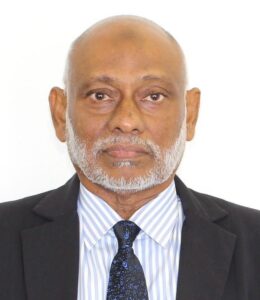
His Excellency Abdullah Hameed is Minister of State for Foreign Affairs of the Maldives and a veteran diplomat with over three decades of public service. He previously served as Ambassador of the Maldives to Saudi Arabia and as Permanent Representative to the Organisation of Islamic Cooperation. His career spans diplomacy, foreign policy, international relations and institutional development.
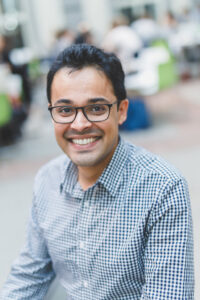
Abhijeet Singh is Associate Professor of Economics at the Stockholm School of Economics and Global Co-Chair of the Education Sector at J-PAL. His research focuses on education systems and public service delivery, with extensive work evaluating education policies in India through field experiments. His interests include education technology, public-sector management, school access and inclusive education policy.


Associate Fellow of Earth Science and Climate Change Division, TERI, New Delhi

Dr. Alan Bollard is Chair of New Zealand’s Tertiary Education Commission and Governor of the Economic Research Institute for ASEAN and East Asia. He previously served as Governor of the Reserve Bank of New Zealand, Secretary to the Treasury and Executive Director of APEC. His expertise spans monetary policy, economic governance, Asia-Pacific economic relations and public policy.
Young Scholars
Associate Fellow of Earth Science and Climate Change Division, TERI, New Delhi




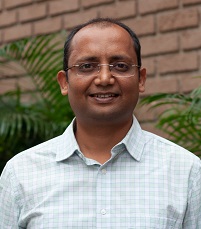
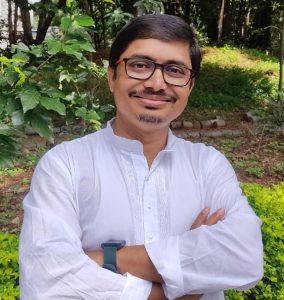


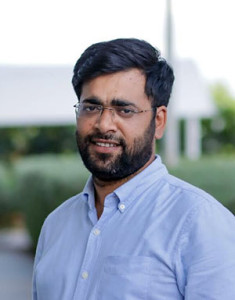




KEC Steering Committee

Dr. Anuradha Guru is an officer of the Indian Economic Service of 1999 batch. She holds a Doctorate in Economics from Jawaharlal Nehru University and Masters in Economics from Delhi School of Economics.


Dr. Michael Debabrata Patra is an economist and career central banker who served as Deputy Governor of the Reserve Bank of India from 2020 to 2025. He was responsible for monetary policy, financial markets, financial stability, research and international relations, and was a founding member of the RBI’s Monetary Policy Committee. He is currently Chairman of the Board of Governors of IEG.
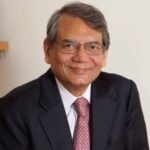
Rakesh Mohan is President Emeritus and Distinguished Fellow at the Centre for Social and Economic Progress and a member of the Economic Advisory Council to the Prime Minister. A former Deputy Governor of the RBI, Chief Economic Adviser and Secretary of Economic Affairs, he has played a significant role in India’s economic reforms. His expertise includes monetary policy, financial stability and urban economics.
Shri Sudhakar Dalela is Secretary (Economic Relations) in the Ministry of External Affairs, Government of India. A 1993-batch Indian Foreign Service officer, he has served as India’s Ambassador to Bhutan and in diplomatic missions across the United States, Bangladesh, Switzerland and Brazil. His expertise spans economic diplomacy, trade policy, development partnerships, multilateral economic relations and emerging strategic technologies. He is India’s Sherpa for BRICS, IBSA and I2U2.
Shri N.K. Singh, President, Institute of Economic Growth is a prominent Indian economist, academician, and policymaker. He is currently Chairman of the 15th Finance Commission, a body established under the Indian Constitution to oversee revenue sharing and other federal fiscal policy matters. Prior to this position, he presided as Chairman of the Fiscal Responsibility and Budget Management Review Committee (FRBM), responsible for setting targets for the government to reduce fiscal deficits. He also served as a member of the Upper House of the Parliament, the Rajya Sabha, from 2008 to 2014, during which time he contributed to several prominent Parliamentary Standing Committees including the Public Accounts Committee, the Committee on Foreign Affairs, and the Committee on Human Resource Development.

Dr. V. Anantha Nageswaran is the 18th Chief Economic Adviser to the Government of India. Previously, he worked as an economist, author, teacher and consultant, with extensive experience in macroeconomic and financial markets research at international financial institutions in Switzerland and Singapore. He holds a Ph.D. in Economics from the University of Massachusetts Amherst and a management diploma from IIM Ahmedabad.
KEC Organizing Team
Dr. Anuradha Guru is an officer of the Indian Economic Service of 1999 batch. She holds a Doctorate in Economics from Jawaharlal Nehru University and Masters in Economics from Delhi School of Economics.

Dr. Michael Debabrata Patra is an economist and career central banker who served as Deputy Governor of the Reserve Bank of India from 2020 to 2025. He was responsible for monetary policy, financial markets, financial stability, research and international relations, and was a founding member of the RBI’s Monetary Policy Committee. He is currently Chairman of the Board of Governors of IEG.
Rakesh Mohan is President Emeritus and Distinguished Fellow at the Centre for Social and Economic Progress and a member of the Economic Advisory Council to the Prime Minister. A former Deputy Governor of the RBI, Chief Economic Adviser and Secretary of Economic Affairs, he has played a significant role in India’s economic reforms. His expertise includes monetary policy, financial stability and urban economics.
Kautilya Economic Conclave 2025 Agenda
“Seeking Prosperity in Turbulent Times” • 2nd–5th October 2025 | The Taj Palace Hotel, New Delhi.
Registration & Delegate Assembly
08:00 hrs: Registration at Foyer of Roshanara
08:30 - 08:45 hrs: All participants to be seated in Venue
Opening Remarks


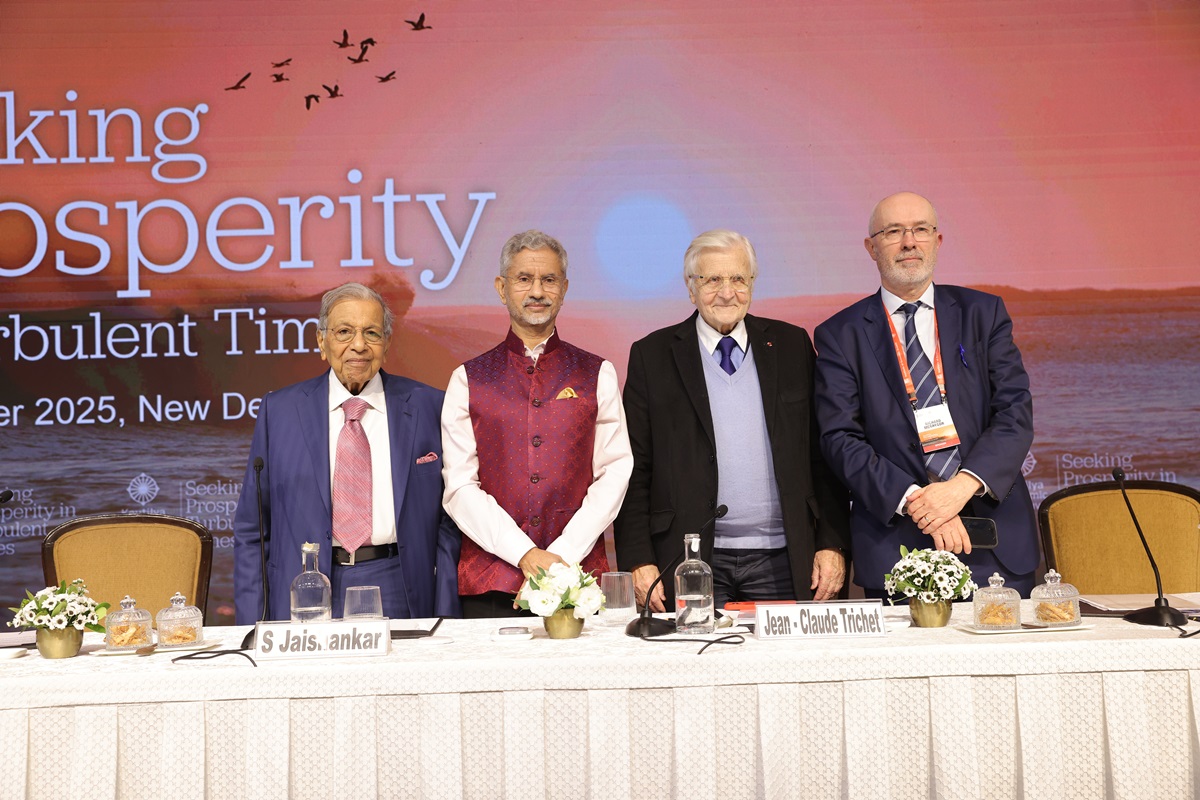
Seeking Prosperity in Turbulent Times
Inaugural Address by Hon’ble Finance Minister Smt. Nirmala Sitharaman. Moderator: Shri N. K. Singh. Topic: Seeking Prosperity in Turbulent Times. Deliberating on economic resilience, global turbulence, fiscal policies, and strategic pathways to prosperity in an uncertain world.

An Asian Century
Asia has emerged out of the pandemic as the world’s fastest growing region, contributing over two-thirds of global growth, with stability in an unsettled global environment. It is a powerhouse of international trade, with an expanding footprint in frontline commerce such as digital trade. More than half of the world's population live in Asia today. This session will discuss the prospects of Asia leveraging its growing economic heft to prise out a window of opportunity amidst formidable challenges.
Varying demographic trends in different parts of the region have implications for intra-regional migration. Asia also faces the challenge of sustaining labour-intensive, export-led growth in view of labour-displacing technologies. The outlook is clouded by geo-political tensions, looming trade wars, weaponization of finance and shifts in global value chains. An overarching challenge is the threat of climate change, the costs of energy transition and the shift to renewable fuels as it strives to secure the 21st century as Asia’s century.

Deepening India’s Asian Engagement
India’s economic and diplomatic engagement with countries to its east has historically lagged behind its outreach to the West. This imbalance must be corrected economically, politically, and institutionally in light of shifting global economic dynamics – as Asia’s share in global growth rises, that of Europe and North America is expected to decline. This requires a multi-pronged strategy: strengthening trade relationships; reconsidering participation in regional frameworks like the RCEP; and fostering robust civil society interactions with Asian academia, think tanks and public policy institutions.
India remains outside much of Asia’s institutional economic and financial network—ASEAN, the Chiang Mai Initiative, AMRO, EMEAP, and ERIA. The time is ripe to repair this gap, especially as the world experiences deep geopolitical and trade realignments alongside weakening of global multilateral institutions. This session will explore why and how India must take decisive steps to become a more active and integrated player in Asia’s institutional and economic architecture—not just for regional relevance, but for India's own long-term growth and strategic autonomy.
Chair: B. V. R. Subrahmanyam, CEO, NITI Aayog, Government of India
Speakers:
• Rajiv B. Lall (Chair CoST, Professorial Fellow SMU Singapore)
• Heiwai Tang (Professor & Assoc. Dean, HKU Business School)
• Johannes Zutt (Regional Vice President, The World Bank)
• Ranil Salgado (Senior Resident Representative, IMF)
• Pranjul Bhandari (Chief India Economist, HSBC India)
Roadmap for Financial Stability
An efficient, vibrant and sound financial sector – comprising both institutions and markets – is a necessary prerequisite and concomitant of economic growth. In this context, financial stability or the capacity of financial intermediaries to withstand surges of volatility in financial prices, is crucial. In the recent period, risks to financial stability remain elevated, testing the resilience of financial systems worldwide.
This session will deliberate on the evolution of the financial sector in the context of mainstream economic and business activity while keeping pace with new areas such as digitalisation and artificial intelligence, developments in payment systems and new age financial assets and liabilities. The emphasis will be on benchmarking against international best practices while ensuring that innovations in financial products and services are not stifled. Guardrails to protect the public against risks to data privacy, cybersecurity, big tech/fintech, and third party dependencies will take into account associated regulatory perimeters relating to anti-money laundering and combating the financing of terrorism, and crypto currencies as also those that fall between regulatory cracks such as shadow banking, decentralised finance and private equity.
Chair: Sanjiv Bajaj, Chairman and Managing Director, Bajaj Finserv
Speakers:
• Jeronimo Zettelmeyer (Director, Bruegel; former Deputy Director IMF)
• Marcel Fratzscher (President DIW Berlin; Prof. Humboldt Univ Berlin)
• Jacob Carney (Head of Macro, Castle Hook Partners)
• Ila Patnaik (Chief Economist, Aditya Birla Group)
Industrial Policy: New Directions?
East Asian economies like South Korea and Taiwan highlight how targeted industrial policy, coupled with performance monitoring and export orientation, led to rapid industrial development and global competitiveness. The resurgence of industrial policy across both developing and developed nations marks a significant shift in economic strategy - fiend-shoring/re-shoring; national control over critical materials, value chains, logistics, and trade partners; and support to sectors such as renewable energy, semiconductors, and advanced manufacturing.
The issues for discussion in this session are: Will nationally-oriented industrial policy be effective in delivering cutting edge industrial development? Market distortions - subsidies, tax incentives and protectionist measures - may support inefficient firms, leading to resource misallocation, corruption, cronyism, and policy capture. Aggressive applications of industrial policy can also lead to fragmentation and de-globalisation. This session will also examine reforms in factors of production; the false dichotomy between soft power and manufacturing; and the scope for labour-intensive strategies in value chains. What are the mechanisms for ensuring transparency, competitive neutrality, and regular performance monitoring?
Chair: S. Mahendra Dev, Chairman, EAC-PM, India
Speakers:
• Liqing Zhang (Professor & Director Int'l Finance, CUFE Beijing China)
• Karan Bilimoria (Member UK House of Lords; Chair ICC UK)
• Andres Velasco (Dean School of Public Policy LSE; former Chilean Finance Minister)
• Sajjid Zahir Chinoy (MD & Chief India Economist J.P. Morgan; Member EAC-PM)
Central Banking in Turbulent Times
In these highly uncertain times, global spillovers from persisting geopolitical conflicts, geoeconomic fragmentation, trade wars, bouts of financial market volatility and overall policy uncertainty are impinging on the conduct of central banking on an overlapping basis. Consequently, the sources of risks and challenges to central banking functions are getting blurred and often impossible to disentangle, with conflicting pulls from new dilemmas and trade-offs.
Framework reviews conducted by systemic central banks, either legislatively mandated or by tradition, are reflecting these challenges. Standard models that central banks employ as organising frameworks are coming under scrutiny, and their explanatory and predictive power is being questioned. At the same time, the balance between regulatory independence and regulatory accountability is becoming more contested, raising questions about how central banks should remain credible, transparent, and responsive to democratic oversight.
Do these tectonic shifts call for a rethink of the manner in which central banking is conducted, including the efficacy of instruments and their mapping to goal variables, overall policy framework designs and decision-making processes as well as underlying models and operating procedures? These issues will form the basis of this plenary session.
Reforming the Legal Architecture
Sustaining economic growth in India and other developing countries requires a robust framework of legal reforms that can adapt to rapid social and technological change. A stable and transparent legal system is essential for protecting property rights, ensuring enforcement of contracts, and fostering investor confidence. Without these foundations, markets struggle to function efficiently, and both domestic and foreign enterprises face increased uncertainty.
Reforms should focus on modernizing judicial processes to reduce delays, simplifying complex regulatory procedures, and strengthening mechanisms for dispute resolution. In addition, laws governing digital commerce, intellectual property, and data protection must be updated to keep pace with innovation and global standards. Labour and land laws, which often remain outdated, also require restructuring to balance social equity with flexibility for businesses. Equally important is strengthening the rule of law, combating corruption, and ensuring equal access to justice for all segments of society. Such comprehensive reforms can create a predictable environment that stimulates entrepreneurship, attracts investment, and sustains long-term development.
Book Launch: The London Consensus: Economic Principles for the 21st Century
Presentation by: Andres Velasco (Dean School of Public Policy LSE; former Finance Minister of Chile)
Moderator: Deepak Nayyar | Speaker: Ila Patnaik
Universal Healthcare
As global challenges continue to reshape the landscape of public health, the goal of universal health coverage remains more urgent than ever. Access to quality healthcare should not be a privilege, but a fundamental right — yet millions still face barriers due to geography, economic inequality, or systemic inefficiencies. At the heart of this issue lies the question of financing: how do we build sustainable, equitable health systems that ensure no one is left behind?
This session aims to bring together all of these issues, in order to explore pathways toward inclusive healthcare — where affordability, accessibility, and accountability converge to realize the vision of health for all. Innovative financing models may be examined - both public and private - that aim to reduce the burden of out-of-pocket expenses and ensure sustainable health systems. Thinking beyond conventional frameworks and committing to actionable solutions can move us closer to a world where quality healthcare is guaranteed for all.
Chair: V. K. Paul, Member, NITI Aayog
Speakers:
• Ruchir Agarwal (Co-Founder and President, Global Talent Fund)
• Purnamita Dasgupta (Professor, IEG)
• Sangita Reddy (Joint Managing Director, Apollo Hospitals)
• Mudit Kapoor (Associate Professor of Economics, ISI New Delhi)
Urbanization as an Engine of Growth
According to the United Nations, about 30 percent of the world’s population lived in urban areas in 1950. By 2050, this figure is projected to reach 68 percent, placing immense pressure on infrastructure and basic services, particularly in developing countries. In response, urban transformation and resilient city planning have become critical global priorities. With stage 1 of urban sector reform broadly completed, this session will focus on the likely contours of Stage 2 reforms: rethinking how urban communities live together, interact socially and economically, access resources, and collectively respond to emerging challenges.
Sustainable finance is going to be a core issue. Sustainable Development Goal 11 (SDG-11) focuses on key objectives such as improving urban planning and governance, ensuring access to affordable housing and reliable public transportation, reducing pollution and environmental degradation, and strengthening resilience to climate risks and disasters. Truly meaningful and sustainable urban transformation must also be inclusive, with marginalized groups such as the urban poor, migrants, women, children, and the elderly actively involved in planning processes and having equitable access to services.
Chair: Rajiv Gauba, Member, NITI Aayog, Government of India
Speakers:
• Suraya Ismail (Director of Research KRI, NACCOL Member, Panel of Experts Ministry of Housing Malaysia)
• Rana Hasan (Director ERCD, Asian Development Bank - ADB)
• Joel Ruet (Marie Curie Fellow LSE, Associate Researcher Ecole des Mines Paris)
• Arunish Chawla (Secretary DIPAM, Ministry of Finance, Government of India)
The Infrastructure Imperative
Infrastructure plays a pivotal role in driving economic growth, social development, and global competitiveness. With rapid urbanization and industrialization, the demand for robust infrastructure in transport, power, water, housing, and digital networks has risen sharply. Expanding highways, modernizing ports, and investing in railways are crucial to improving connectivity, while renewable energy and smart grids are essential for sustainable power supply. Urban infrastructure, such as affordable housing, sanitation, and public transport, remains a pressing priority for India’s growing cities.
However, economies face significant challenges in realizing these goals. Financing gaps persist, as infrastructure projects require long-term investments and a balanced financing mix, including greater private sector participation, as well as managing fluctuations in foreign exchange. Issues like land acquisition, regulatory delays, bureaucratic hurdles and regulatory uncertainties often stall implementation. Inefficient project management and cost overruns further strain resources. Balancing rapid expansion with sustainability is another challenge, particularly in reducing environmental impacts. Strengthening public-private partnerships, streamlining policies, and leveraging technology are imperative to overcoming these obstacles.
DINNER – Special Address: “What can Europe Learn from the Indian Federation”



“Accelerating India’s digital transformation, expanding 5G communications infrastructure, and empowering regional connectivity to build a digitally robust Viksit Bharat 2047.”

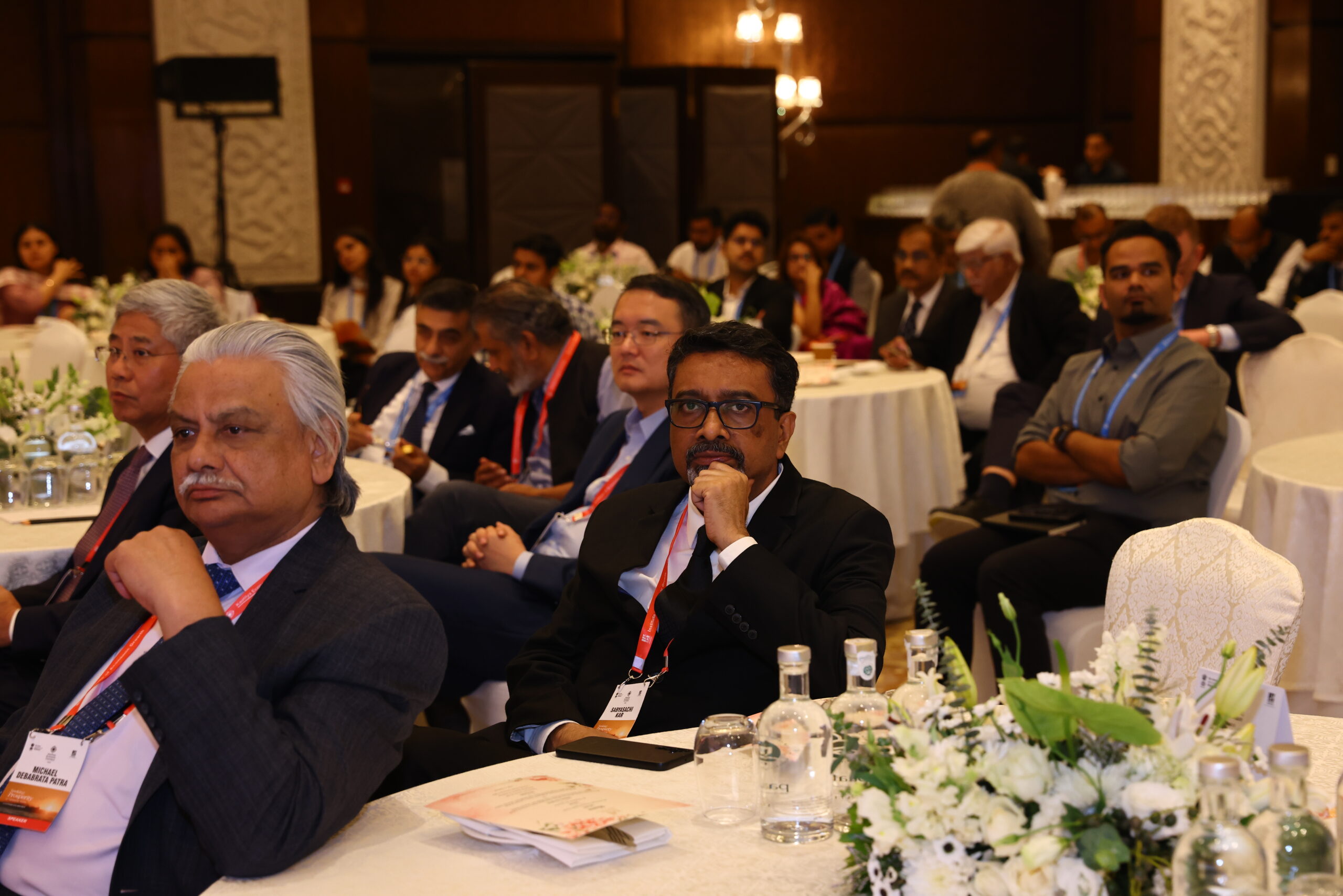
Edition 2025 Photo Highlights
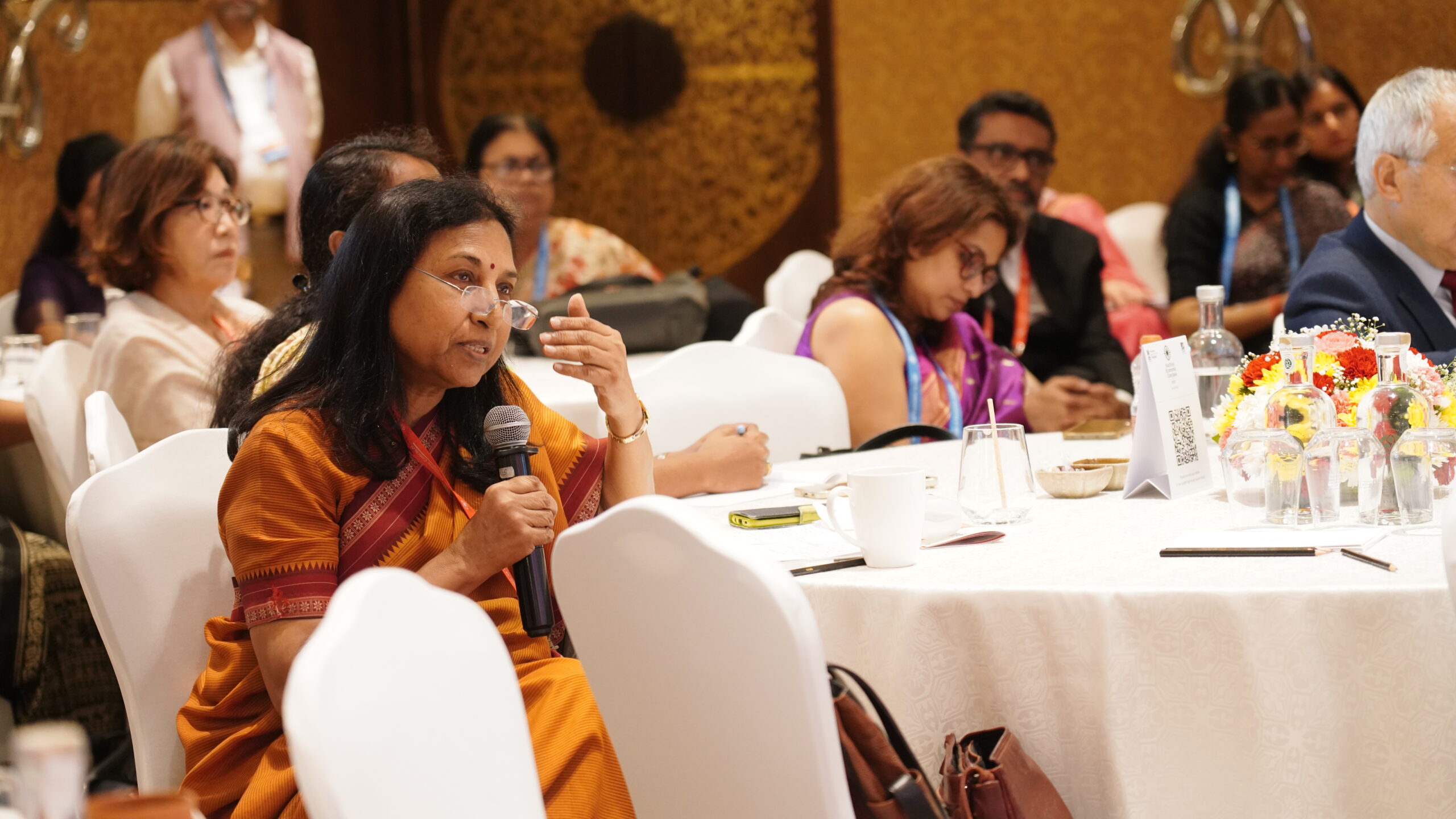
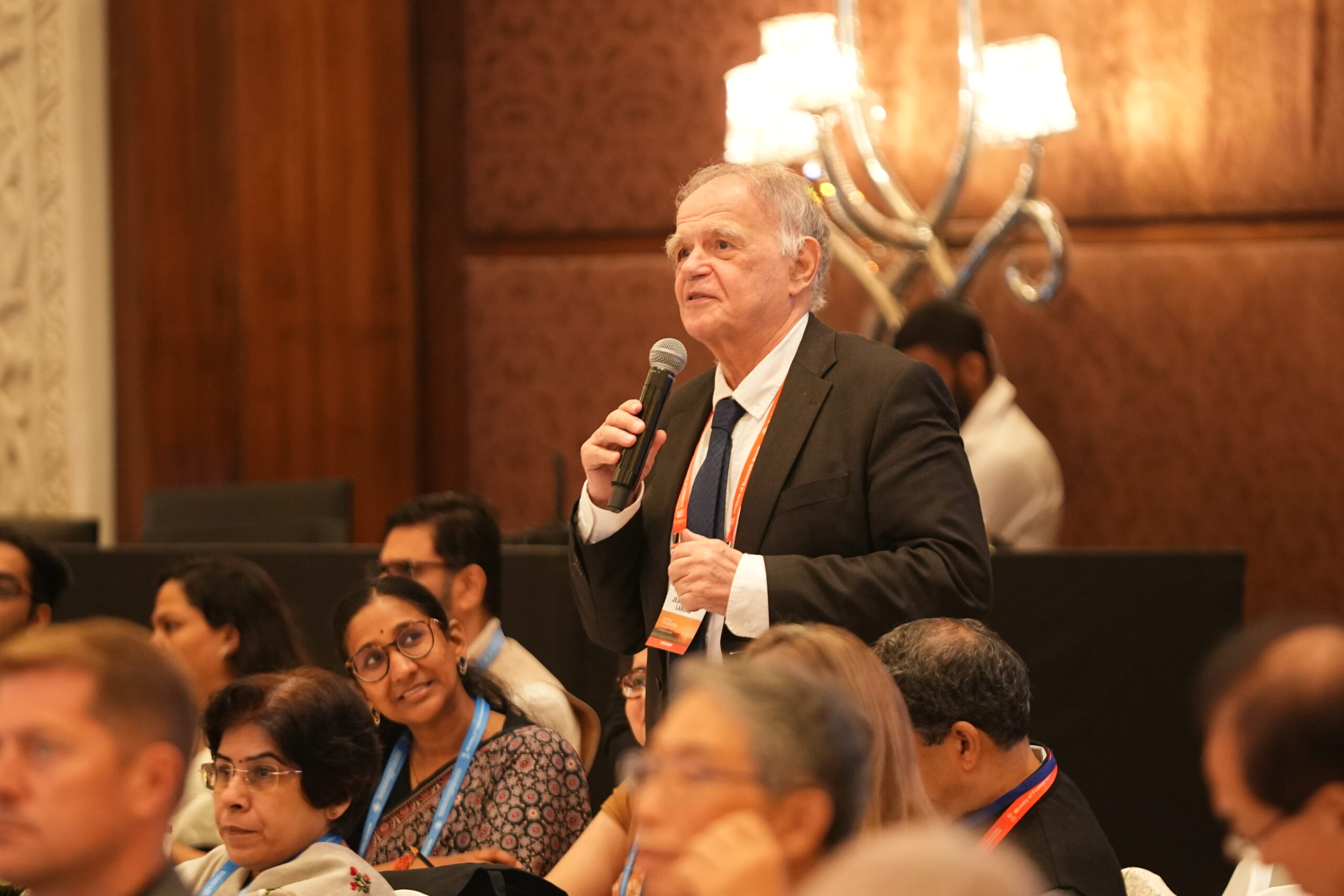
High-resolution photo highlights from plenary sessions, ministerial addresses, and bilateral delegates at KEC 2025.



Keynote Video Broadcasts
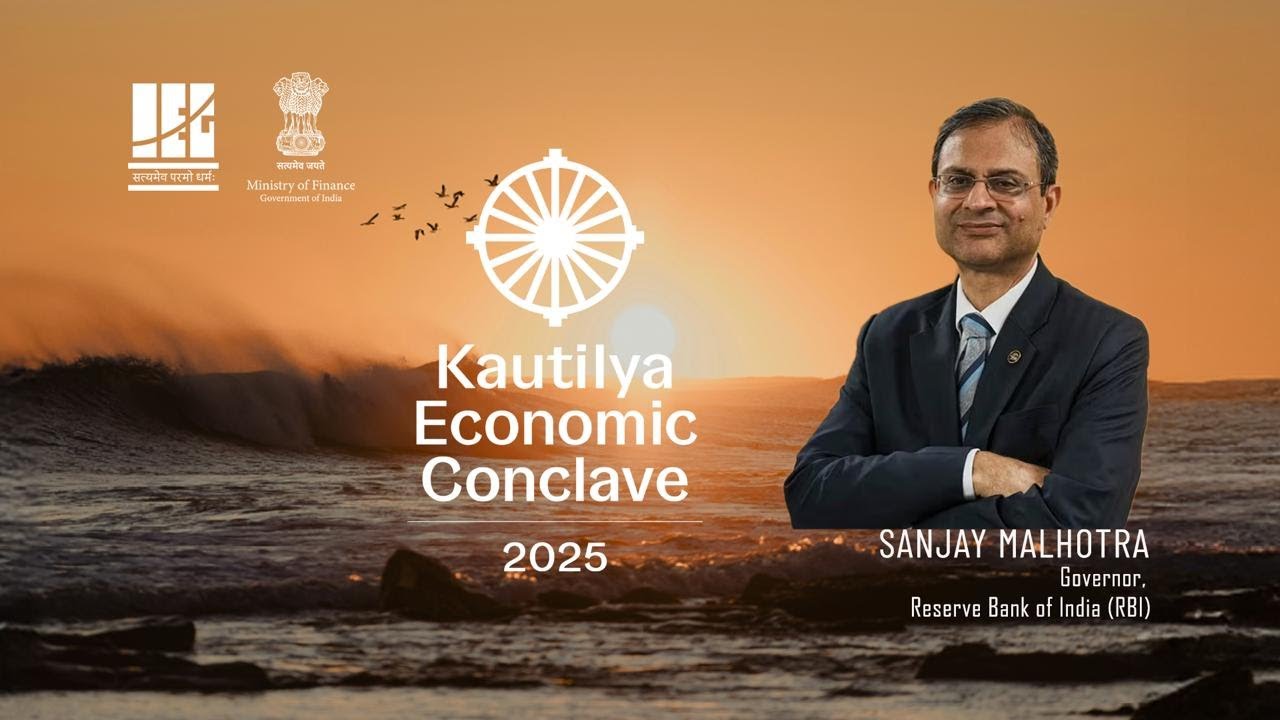
RBI Governor Session
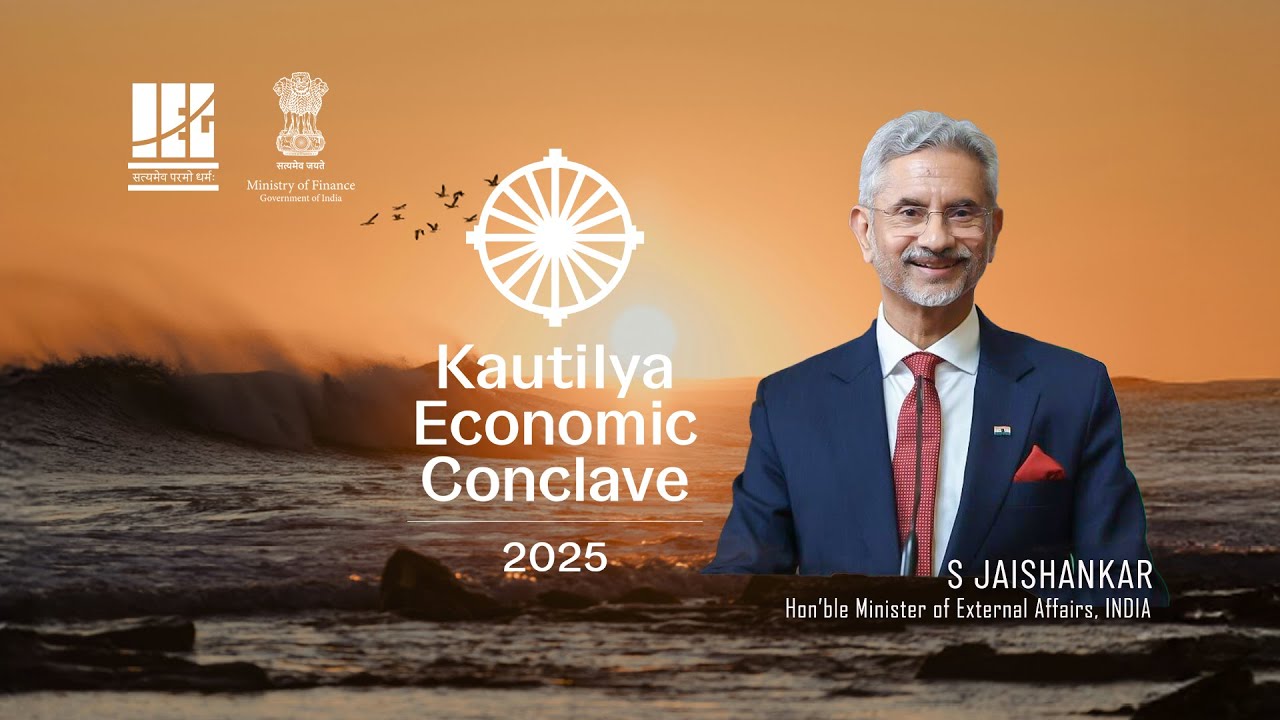
S Jaishankar Session
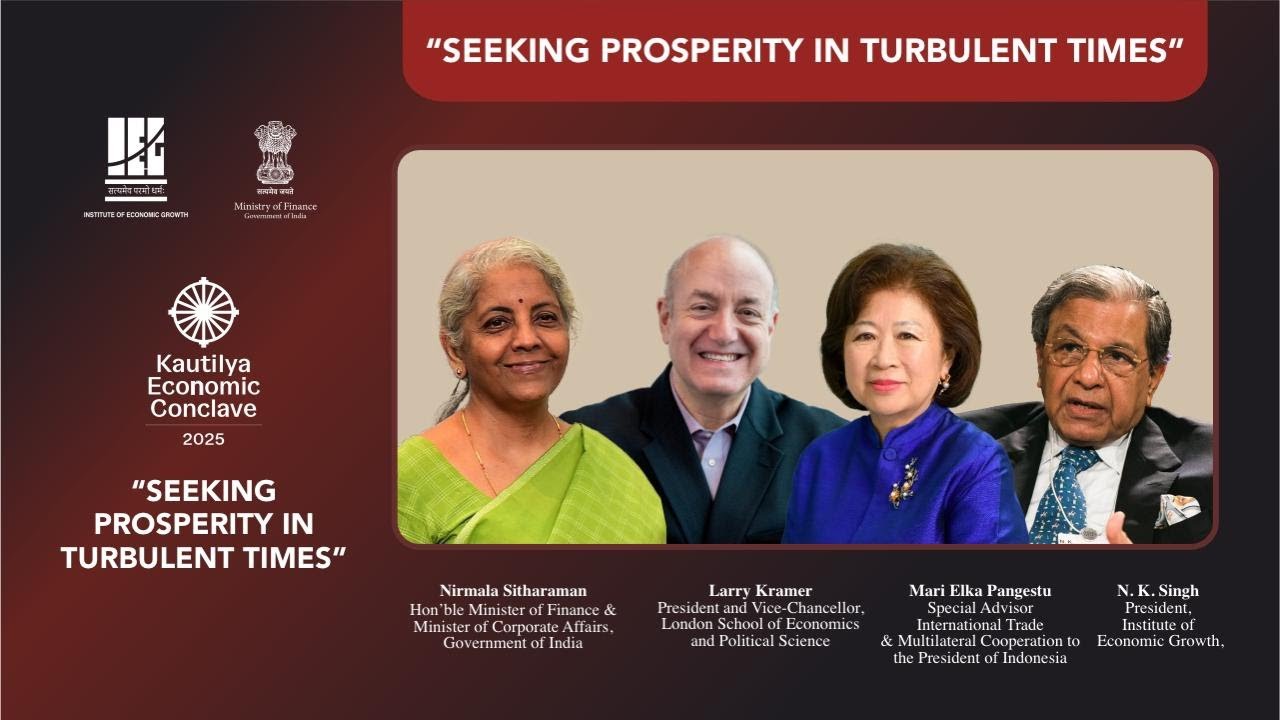
Nirmala Sitharaman Session
Newspaper Coverage
The Economic Times — Kautilya Economic Conclave Opening & Plenary Special
Read Clipping PDF →Edition 2025
Read Clipping PDF →Official Press Releases
Union Minister for Finance and Corporate Affairs Smt. Nirmala Sitharaman to inaugurate fourth Kautilya Economic Conclave (KEC 2025) with theme ‘Seeking Prosperity in Turbulent Times’ in New Delhi from 3rd-5th October, 2025
Fourth Kautilya Economic Conclave (KEC 2025) with the theme ‘Seeking Prosperity in Turbulent Times’ concluded successfully in New Delhi
Photo Title
Photo Description